Scientists Discovered Why You're Aging Faster — And It Has Nothing to Do With Genetics
New cellular biology research reveals a molecule that declines in every adult after 40 — and why restoring it may be the most significant intervention in metabolic aging science.
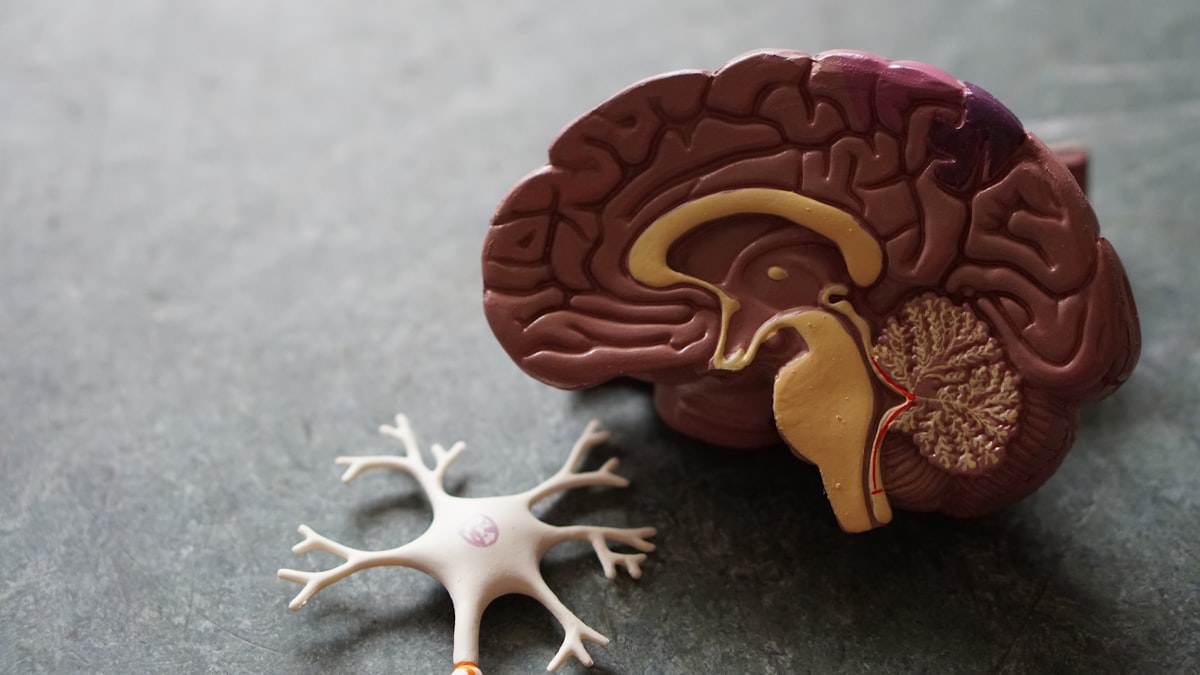
Photo: Modern cellular research has fundamentally changed how scientists understand the aging process.
Every decade after the age of 40, something measurable happens inside every cell in your body. Energy production slows. DNA repair mechanisms that worked efficiently at 30 begin to lag. Mitochondria — the structures responsible for converting nutrients into cellular fuel — become less responsive. For decades, scientists assumed this was simply aging: inevitable, genetic, irreversible. The latest research suggests they were wrong about all three assumptions.
The molecule at the center of this reconsideration is called NAD+ — nicotinamide adenine dinucleotide. It's not new to science. Researchers have known about it since the early twentieth century. What's new is the understanding of just how central it is to virtually every system that declines with age, and what happens when you arrest that decline.
by age 60
NAD+ to function
energy was confirmed
The Molecule That Powers Every Cell You Have
NAD+ functions as a coenzyme — a molecular assistant that enables hundreds of biochemical reactions simultaneously. Its most significant role is in the mitochondria, where it participates directly in converting the food you eat into ATP, the energy currency your cells actually run on. Without adequate NAD+, this conversion becomes inefficient. Cells produce less energy. Systems that depend on that energy — muscle repair, cognitive function, immune response, hormonal regulation — begin to underperform.
But NAD+'s role extends far beyond energy metabolism. It activates a class of proteins called sirtuins, which are sometimes described as "longevity proteins" because of their involvement in DNA repair, inflammation regulation, and cellular stress responses. It also fuels PARP enzymes, which are responsible for repairing damaged DNA strands — a process that becomes more important, not less, as cells accumulate oxidative damage over time.
"NAD+ is not one molecule among many. It's a central regulatory node. When its levels decline, the downstream effects touch virtually every aspect of how cells function — energy, repair, signaling, and survival."
— Published Review, Cell Metabolism Journal, 2023The critical finding that has shifted scientific consensus in the last decade is this: NAD+ levels are not fixed. They are not purely determined by genetics. They decline with age because the biochemical processes that consume NAD+ — immune activation, DNA damage repair, inflammatory signaling — accelerate with age, while the biosynthetic pathways that produce it become less efficient. The result is a widening deficit that compounds over decades.

Why Conventional Supplements Miss the Point
The supplement industry has responded to the NAD+ research in predictable fashion: by selling NAD+ directly as a supplement. The problem is biochemical. NAD+ is a large molecule. Taken orally, it doesn't cross cell membranes efficiently. The vast majority of it is broken down in the digestive tract before it can reach the cells where it's actually needed.
The more sophisticated approach — and the one that clinical research has focused on — is using precursor molecules that the body can convert into NAD+ through its own biosynthetic pathways. The two that have received the most clinical attention are nicotinamide riboside (NR) and nicotinamide mononucleotide (NMN). Both cross into cells intact and are converted to NAD+ intracellularly, where the effect can actually occur.
The distinction matters enormously in practice. Patients who have tried to raise their NAD+ levels with standard supplements often report no noticeable effect — which is physiologically expected. Precursor-based approaches, by contrast, work with the cell's existing machinery rather than trying to bypass it.
The Four Systems That NAD+ Directly Affects
-
Cellular Energy Production: NAD+ is an essential electron carrier in the mitochondrial electron transport chain. Lower NAD+ means fewer electrons transferred, less ATP generated, and less energy available for every cellular process — including the ones responsible for physical vitality and cognitive function.
-
DNA Repair & Genomic Stability: PARP enzymes — which detect and repair DNA strand breaks — are among the largest consumers of NAD+. As DNA damage accumulates with age, PARP activity increases. Without sufficient NAD+, this repair process slows, and cellular dysfunction accelerates.
-
Sirtuin Activation (Longevity Proteins): Sirtuins regulate gene expression, suppress inflammatory pathways, and coordinate metabolic adaptation to stress. They are NAD+-dependent enzymes — they cannot function without it. Restoring NAD+ to younger physiological levels restores sirtuin activity in parallel.
-
Metabolic Regulation: NAD+ levels influence insulin sensitivity, fat oxidation, and the body's ability to switch between fuel sources — a function called metabolic flexibility. Declining NAD+ correlates closely with the metabolic changes that characterize middle-age weight gain and reduced exercise tolerance.

What Physician-Supervised NAD+ Therapy Actually Looks Like
The clinical approach to NAD+ restoration has evolved significantly from the early days of oral supplements. Physician-supervised protocols now combine laboratory-verified precursor compounds with baseline bloodwork, individualized dosing calibrated to age and health status, and structured follow-up to assess response. This isn't a supplement you buy off a shelf — it's a medically managed protocol.
The delivery method matters too. While oral NMN has demonstrated clinical efficacy, intravenous and subcutaneous delivery routes produce faster and more substantial increases in circulating NAD+ metabolites. For patients with significant depletion — typically those over 50 with multiple metabolic markers affected — physician-supervised protocols that include these routes produce more consistent results than oral-only approaches.

How Candidates Are Evaluated
Not everyone is an appropriate candidate for physician-supervised NAD+ therapy, and responsible programs begin with a thorough evaluation rather than a prescription. Factors that typically indicate strong candidacy include: age over 40 with documented metabolic changes, persistent fatigue not explained by other causes, difficulty maintaining weight despite lifestyle adherence, and cognitive changes consistent with declining cellular energy production.
Clinical data suggests the patients who show the most measurable response to NAD+ restoration are those between 45–65 with three or more of the following: low baseline energy, reduced exercise recovery, brain fog, weight gain since age 35, and difficulty sleeping through the night. These patterns correlate strongly with NAD+ depletion as a contributing mechanism.
The evaluation process for physician-supervised NAD+ programs typically takes less than 30 minutes and can be completed from home. A licensed physician reviews your health history, current symptoms, and goals. If appropriate, they design a protocol individualized to your profile — not a template applied to everyone.
Find Out If You're a Candidate for NAD+ Therapy
Answer 7 questions about your energy, recovery, and metabolic health. A licensed physician will review your profile and determine whether NAD+ restoration is appropriate for you.
Free evaluation · No commitment required · Physician reviewed
The Difference Between Generic and Calibrated Protocols
The research on NAD+ is no longer emerging — it's established. The question for most people over 40 is not whether NAD+ decline is affecting them, but whether the magnitude of that decline is sufficient to warrant a clinical response. That determination requires an assessment, not an assumption.

If you're experiencing the pattern described in this article — the persistent fatigue, the slowed recovery, the cognitive friction that doesn't resolve — it's worth two minutes to find out whether you meet the clinical profile for physician-supervised NAD+ therapy.
Am I a Candidate for NAD+ Therapy?
A short assessment built by physicians — not a marketing quiz. Your responses are reviewed by a licensed doctor to determine whether NAD+ restoration is appropriate for your specific profile.
No credit card · No insurance needed · Physician reviewed